Pickles: red onion
A jar in the fridge, and you're all set to brighten up any dull dish.
Origins
The English term pickle appeared at the end of the Middle Ages. Its etymology is uncertain, but it is generally linked to the Middle Dutch pekel, meaning “brine,” or salt water used to preserve food.
The word initially referred to a preparation associated with preserving food in a salty liquid before taking on a broader meaning. Today, it refers to any vegetable (or even fruit or egg; yes, even an egg can be pickled) that has undergone a preservation method through acidification (whether through fermentation, directly with vinegar, or simply with salt). The best-known and most widespread example is the gherkin, but any vegetable can be pickled, with different flavor profiles depending on the technique and the vegetable.
The different classifications of pickles
Three broad families of pickles can be distinguished according to the dominant chemical process used to preserve the vegetable.
| Family | Chemical process | Preservation principle | Examples |
|---|---|---|---|
| Vinegar pickles (acidification) | Direct acidification | An acid, usually vinegar, lowers the pH and inhibits many microorganisms. | Vinegar gherkins, red onions, sweet-and-sour pickles. |
| Fermented pickles (lactic fermentation) | Lactic fermentation | Bacteria transform the sugars in vegetables into organic acids, mainly lactic acid, gradually lowering the pH. | Kimchi, sauerkraut, lacto-fermented cucumbers. |
| Salted pickles (dehydration) | Osmosis and reduced water activity | Salt draws some of the water out of vegetables and reduces the water available to microorganisms. | Some Japanese tsukemono, heavily salted or dried vegetables. |
These families are not mutually exclusive. Salt is often used at the beginning of lactic fermentation, and some pickles combine fermentation with the addition of vinegar. The third family also includes salted vegetables that do not ferment.
And, like any attempt at classification, this remains a simplification of a more organic reality: there is no universal taxonomy of pickles. These categories are neither exclusive nor watertight and sometimes overlap, so they should be taken with a grain of salt and not too literally!
A bright, fragrant condiment
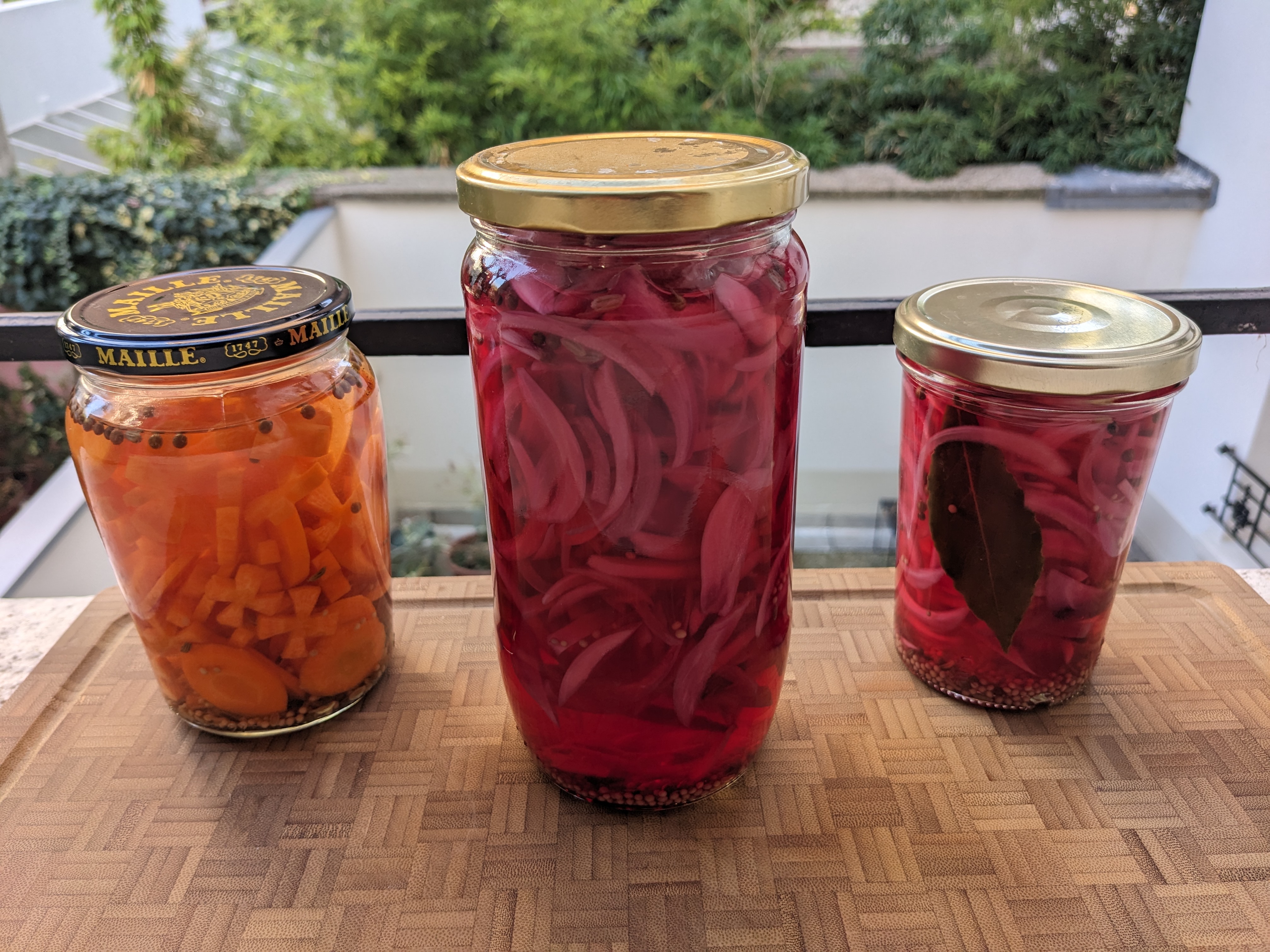
After this brief preamble, let’s get our hands into the dish, or rather, the pickles! In terms of flavor profile, red onion pickles bring acidity, sweetness, and a little crunch to many dishes. They pair particularly well with salads, cheese, and charcuterie. A nice touch: vinegar brings out anthocyanins, natural pigments in red onions. As they diffuse into the brine, they give it a lovely red-to-pink color, which the pickles retain and which enhances dishes through both color and flavor.
The brine is based on equal parts vinegar* and water, with two-thirds as much sugar and a generous amount of salt. This is a fairly common base among different vinegar-pickled recipes. The spices (fennel, coriander, mustard seeds, cloves, and bay leaves) will add aromatic depth. This combination of aromas and acidity can enhance many dishes, making it particularly well suited to cut through their richness (rillettes or other pâtés, carnitas tacos, etc.).
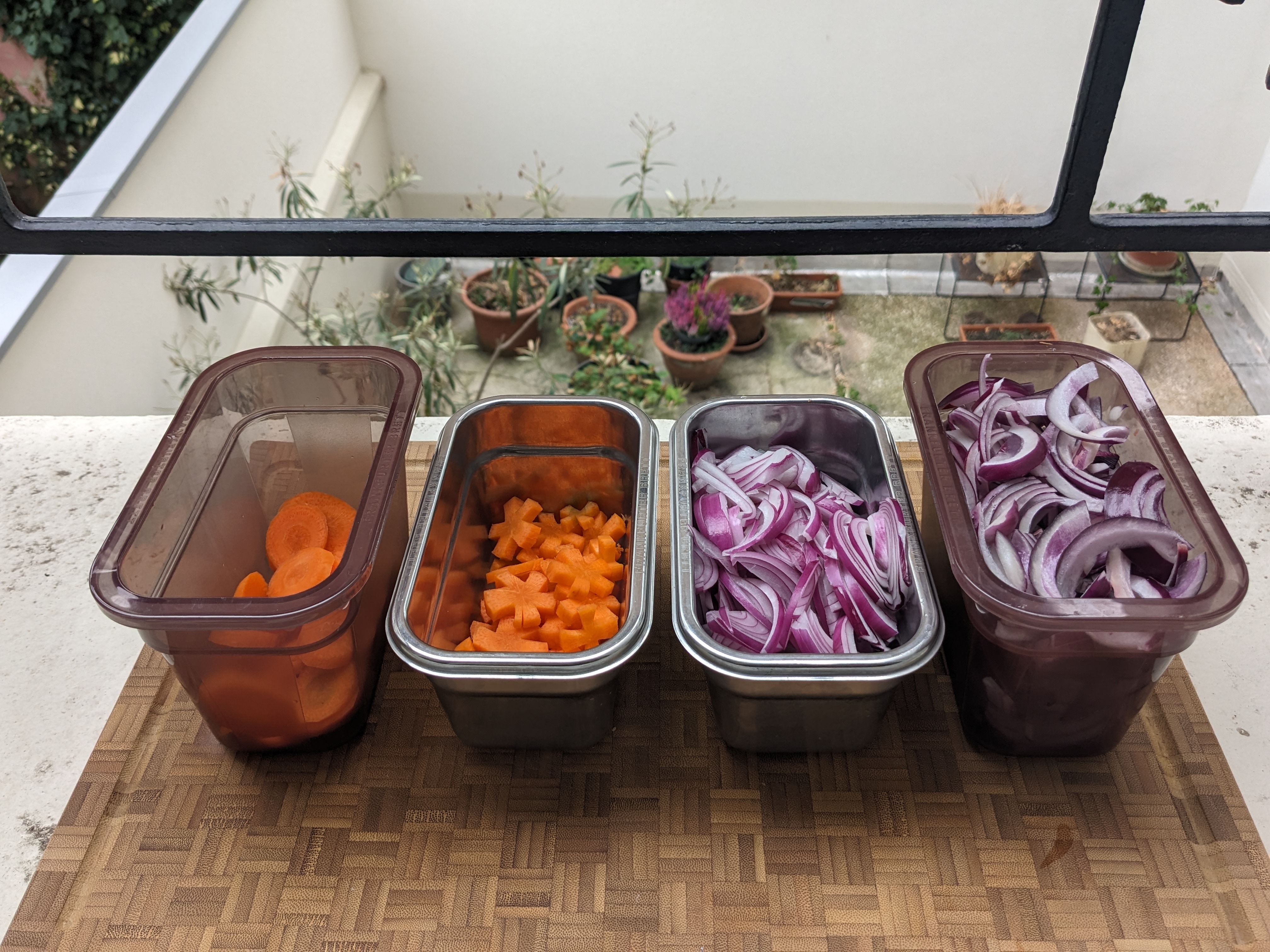
You can also have fun with different vegetables while keeping the same brine and spices. Alongside red onions, I often make carrots (cut on the bias or into star shapes), as well as cauliflower (just the florets). One marinade and spice blend for three cuts, and you are all set with three pickled vegetables.
The longer they rest, the more the flavors meld (they are ready after 24 hours). Once opened, keep them refrigerated and consume them within two to three weeks.
Once the pickles are finished, do not throw away the brine: this precious liquid is perfect for flavoring your vinaigrettes or even for deglazing one of your preparations (even better as vinegar in your homemade mayonnaise).
* Vinegar with 6 to 8% acidity; if the acidity is higher, adjust the remaining proportions to dilute it more strongly.
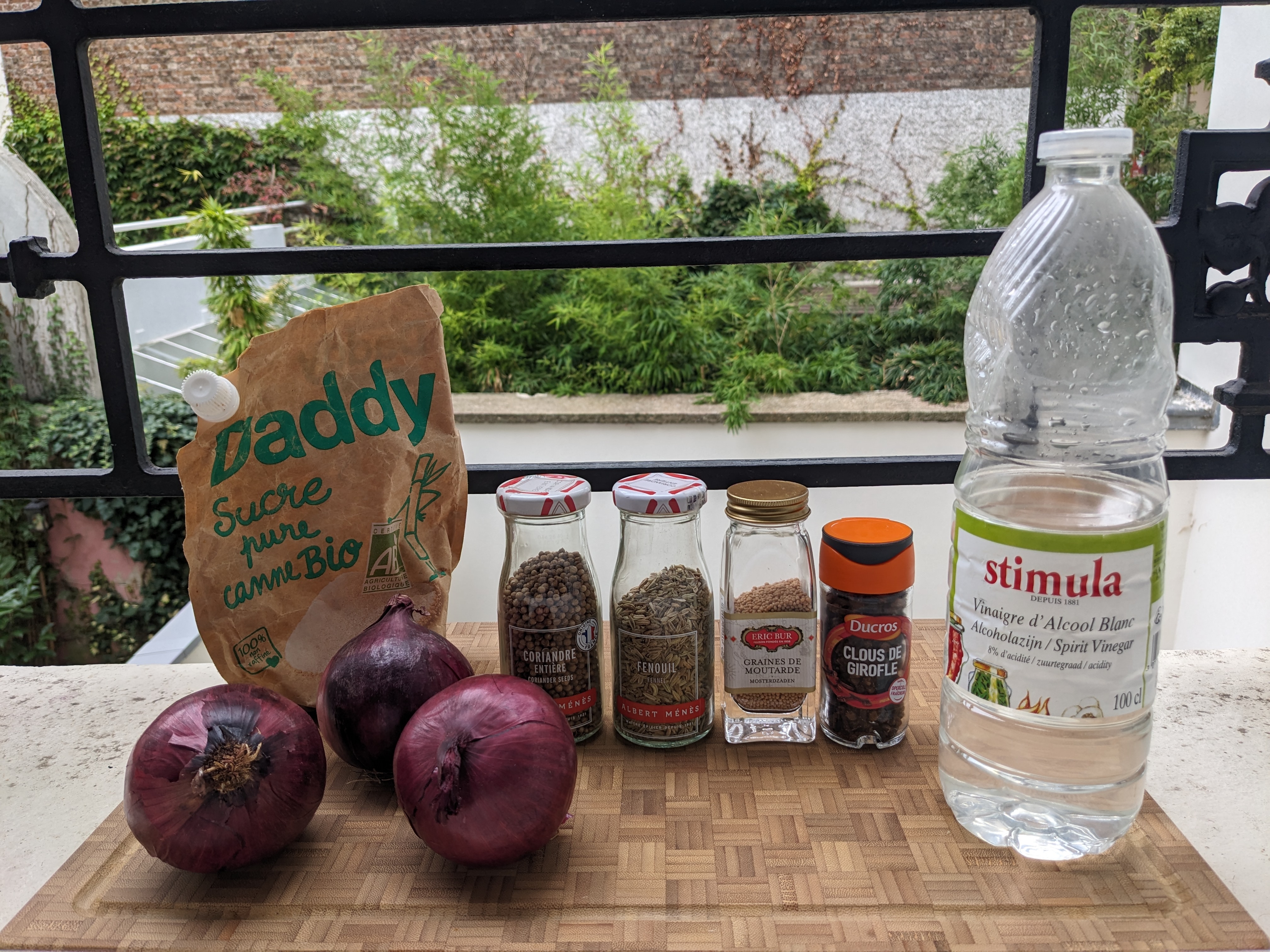
Ingredients
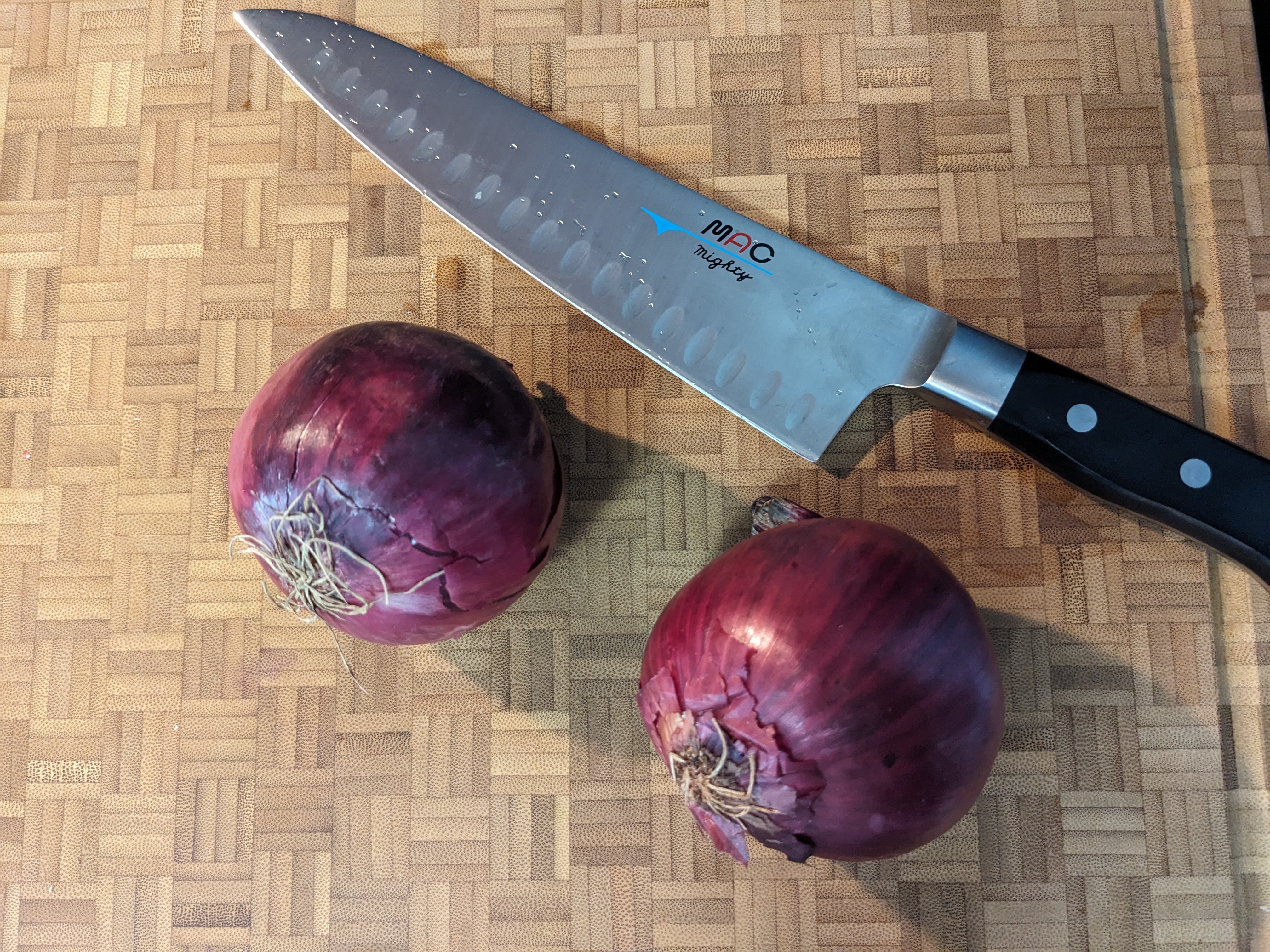
- 4 red onions
- 2 large glasses of water
- 2 large glasses of vinegar
- 0.7 large glasses of sugar
- 4 tbsp of salt
- 1 tbsp of fennel seeds
- 1 tbsp of mustard seeds
- 1 tbsp of coriander seeds
- garlic powder
- black pepper
- 10 cloves
- 4 bay leaves
Steps
- 1
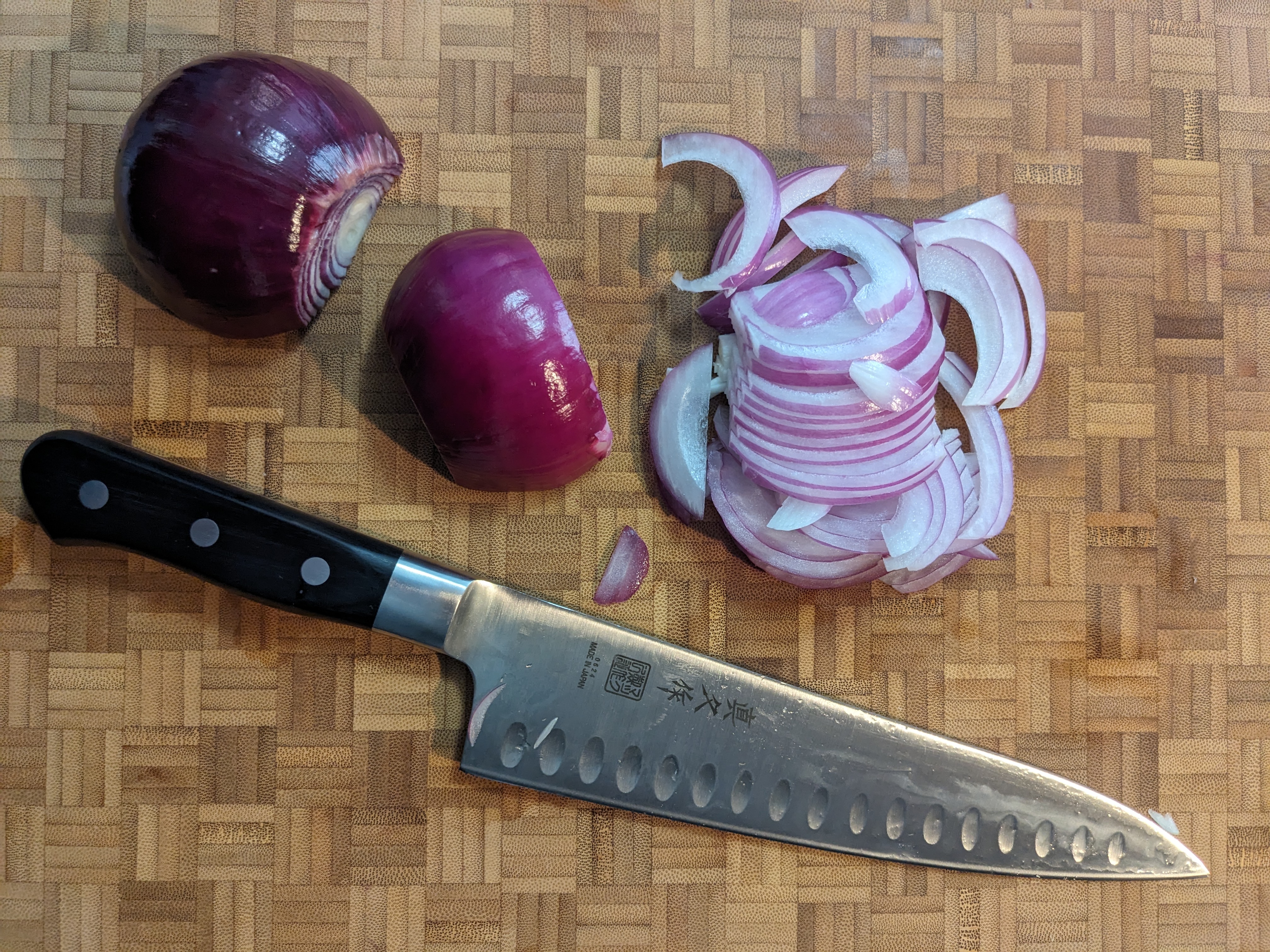
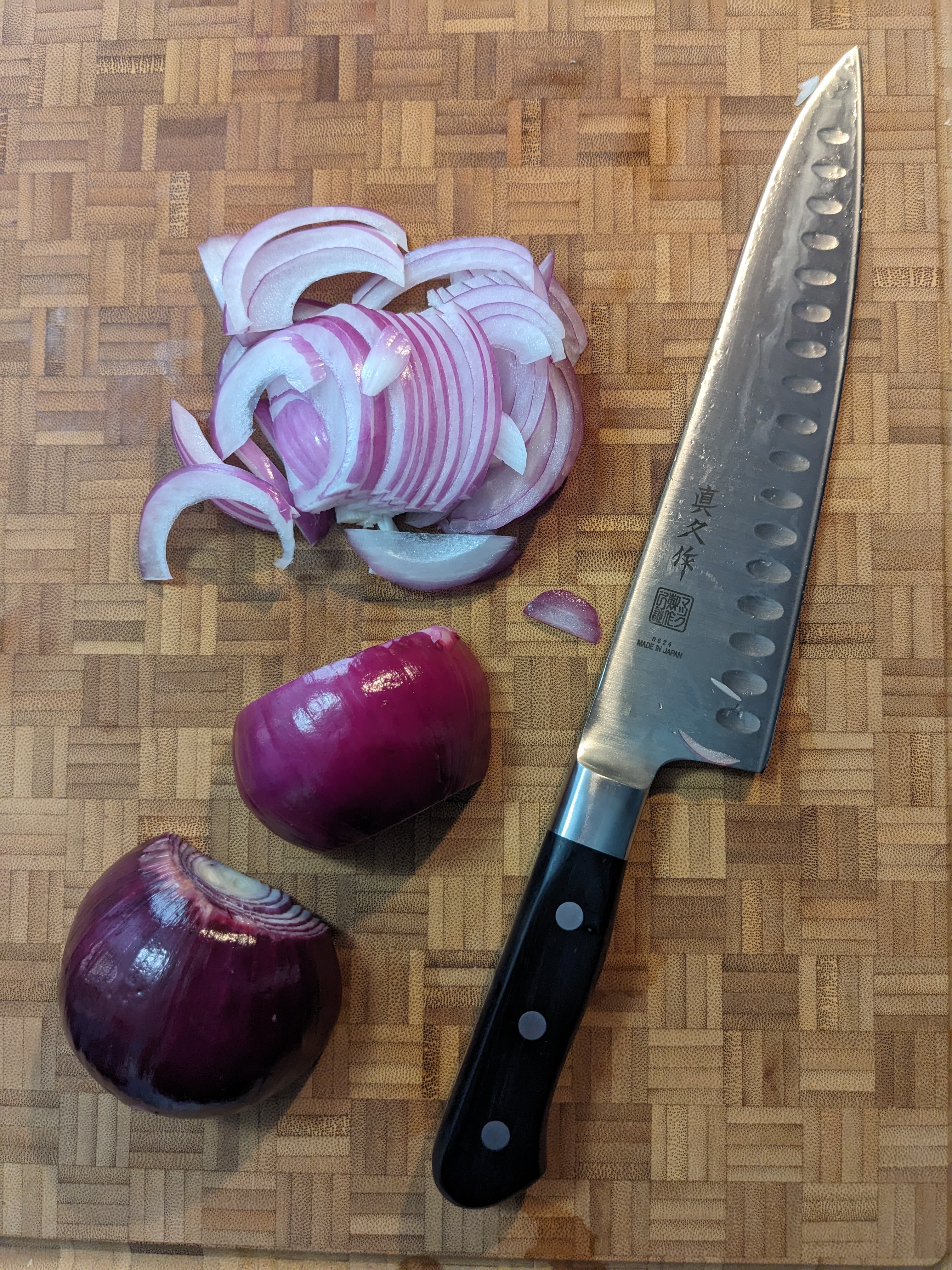
Thinly slice the red onions into strips or half-moons.
- 2
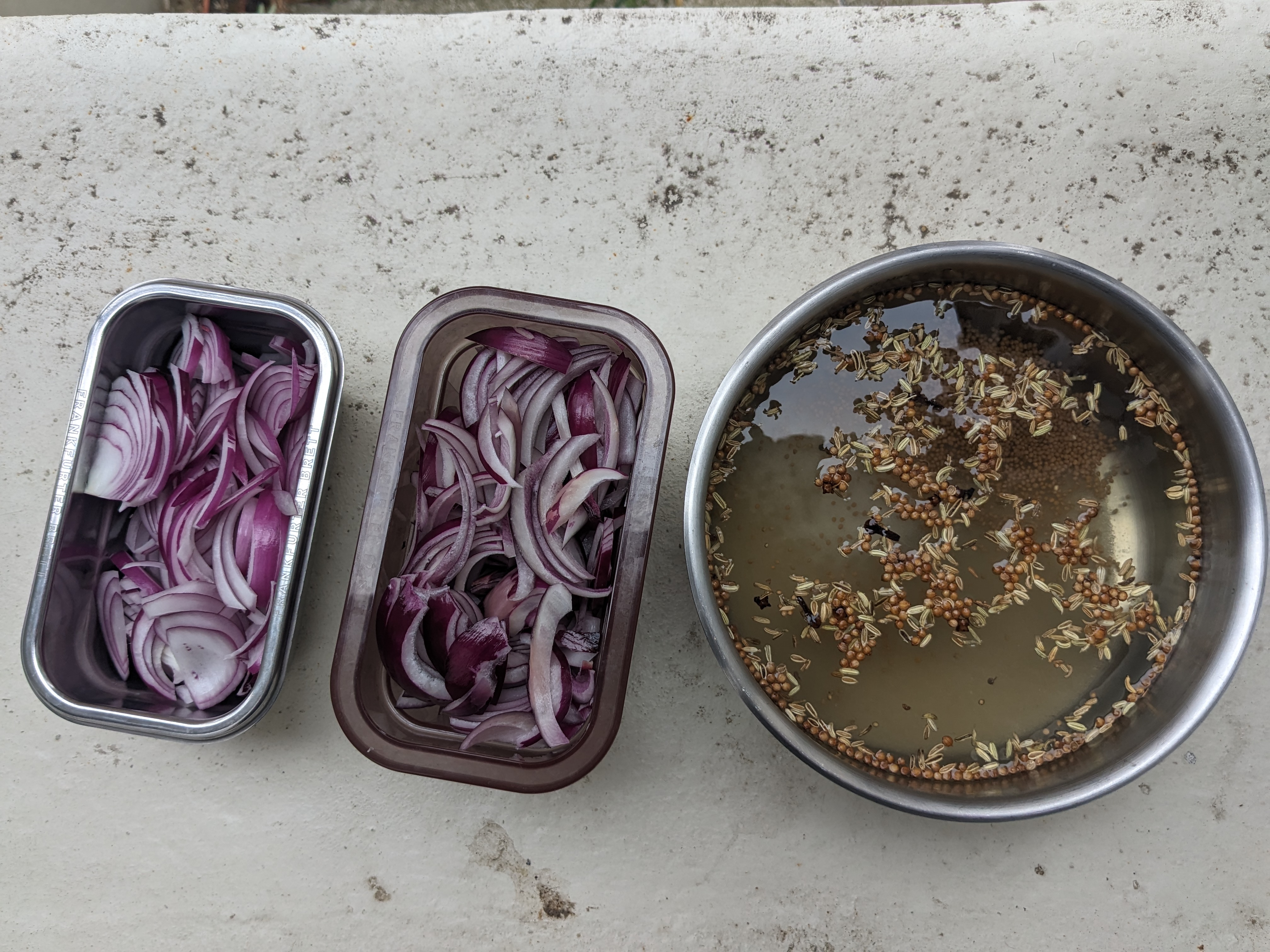
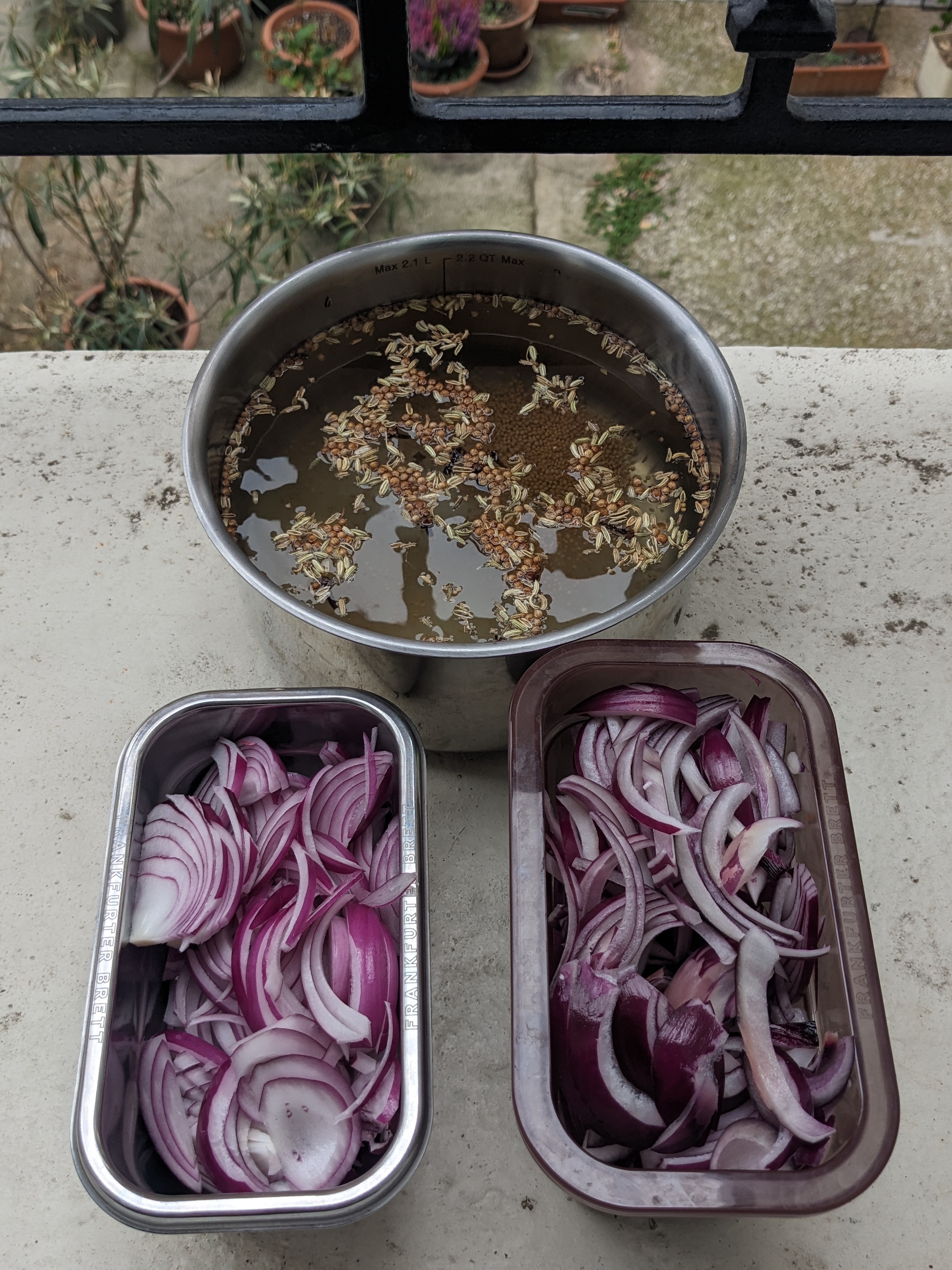
Pack the onions tightly into one or more clean jars.
- 3
In a saucepan, bring the water, vinegar, sugar, salt, and all the spices to a boil.
- 4
Pour the hot liquid over the onions until they are completely covered.
- 5
Let cool to room temperature, then refrigerate for at least 24 hours before serving.
Inspiration & sources
To learn about different pickle traditions and their preparation techniques, I drew on the following articles, which I strongly encourage you to read; they are real gold mines (also check out their blogs and other recipes, which are very high quality):
- Tsukemono: A Guide to Japanese Pickles - Kayoko Hirata Paku - Article
- Quick-fermenting Dongchimi (Radish Water Kimchi) - Maangchi - Article
- Latin Pickled Slaw Recipe (Curtido) - Mark Stewart - Article
- Japanese Pickled Ginger Recipe (Gari) - Andrea Nguyen - Article